First place in my heart
Ramen
ラーメン — rāmen
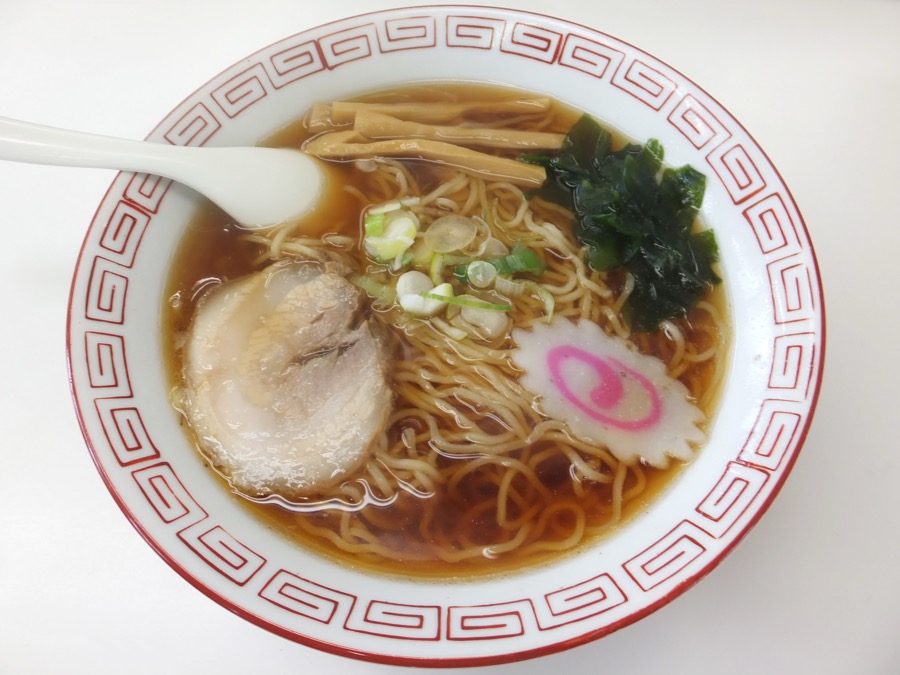
Ramen isn't one dish: it's a universe. Tonkotsu in Fukuoka, shoyu in Tokyo, miso in Sapporo, shio in Hakodate. Every region has its broth, every shop its secret — hours of cooking, jealously guarded ingredients. A good hot ramen at 11pm, in a steaming bowl, is one of the most satisfying experiences I know.
A global icon
Sushi
寿司 — sushi
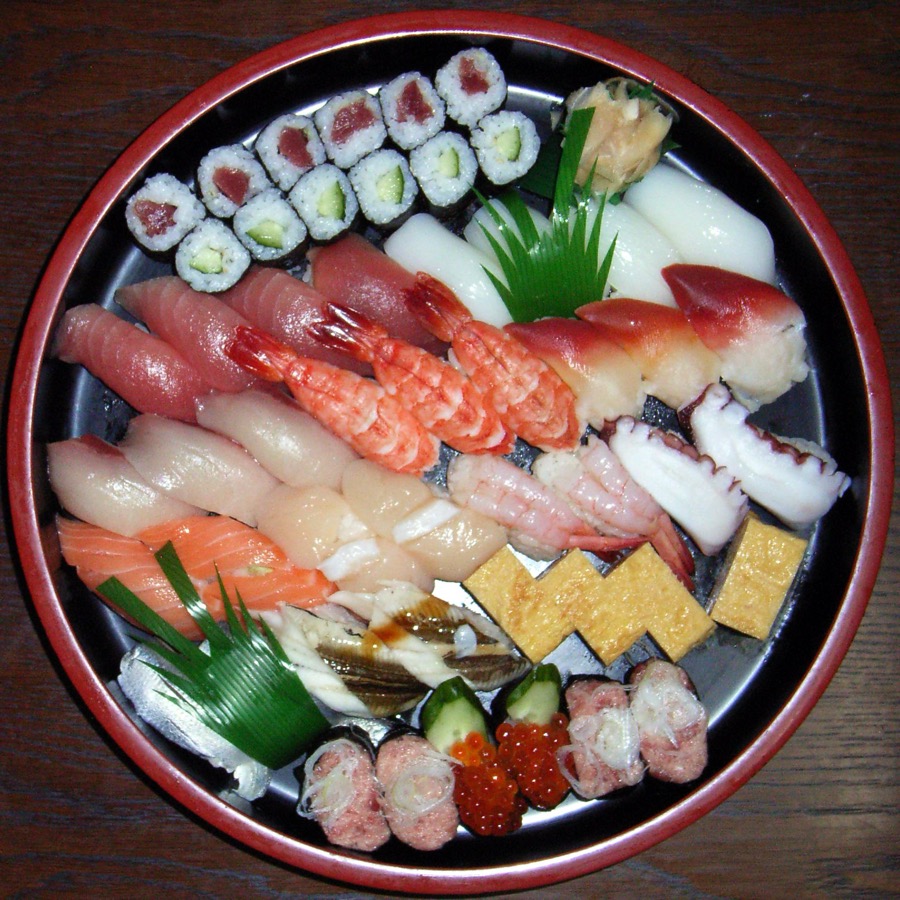
The sushi you know back home has nothing to do with the Japanese one. Ultra-fresh fish, rice seasoned with surgical precision, no excess. Nigiri is the purest form — rice and fish, that's it. From Tsukiji in Tokyo to Kuromon Ichiba in Osaka: eat it at the counter, in front of the chef, at 7am.
Fried, but not heavy
Tempura
天ぷら — tenpura
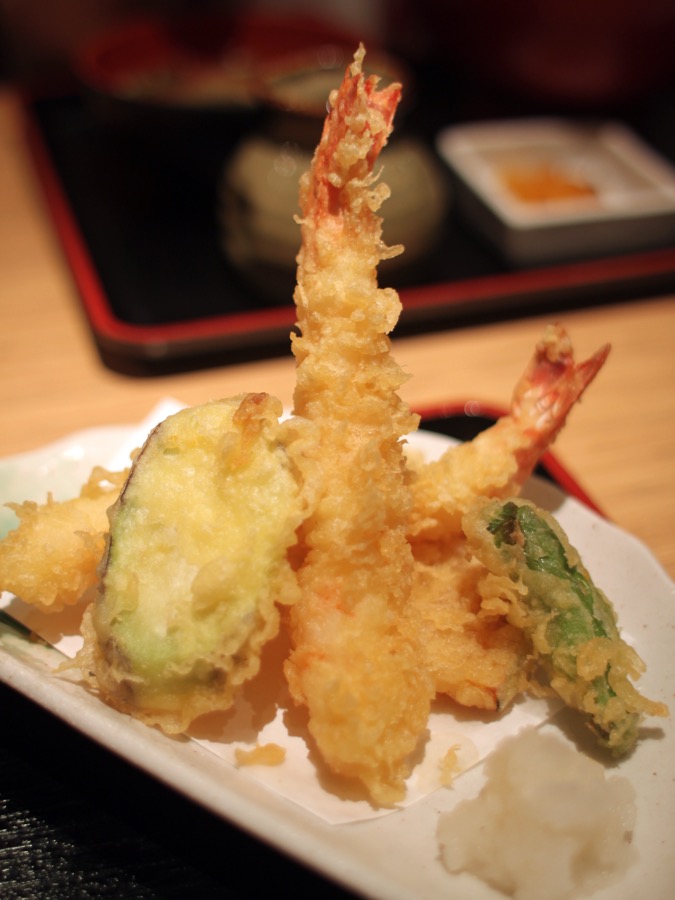
Japanese tempura is a philosophy: the batter must be ultra-light, almost invisible. Prawns, seasonal vegetables, mushrooms — dipped in hot oil for a few seconds. The result is crispy outside and soft inside, never greasy or heavy. You dip it in tsuyu, a light dashi broth, and eat it right away.
The Japanese pizza
Okonomiyaki
お好み焼き — okonomiyaki
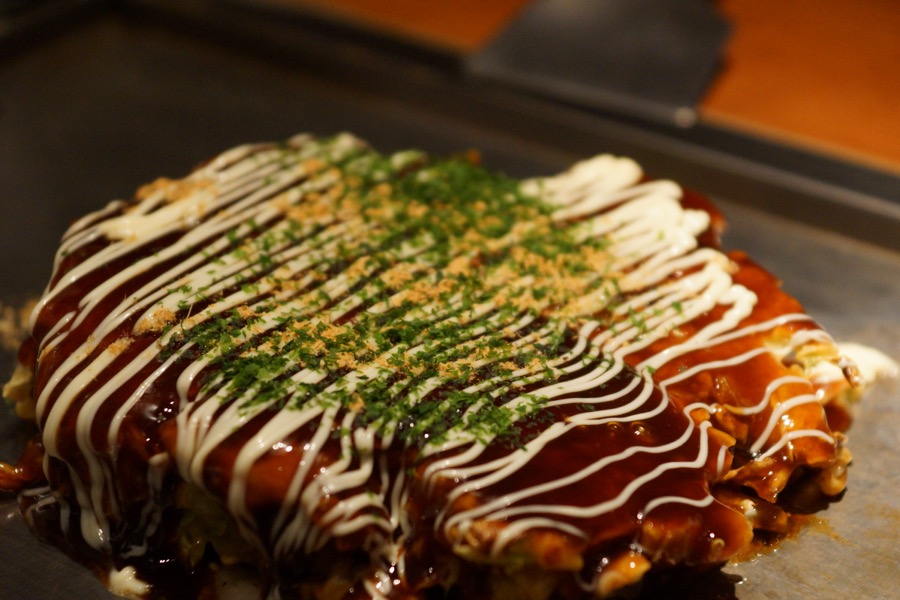
The name literally means "cook what you like" — a thick pancake on a cabbage base, with pork, seafood, noodles and whatever you prefer. In Osaka everything is cooked together (Osaka-style). In Hiroshima it's layered: first the cabbage, then the noodles, then the filling. Two opposite philosophies, both extraordinary.
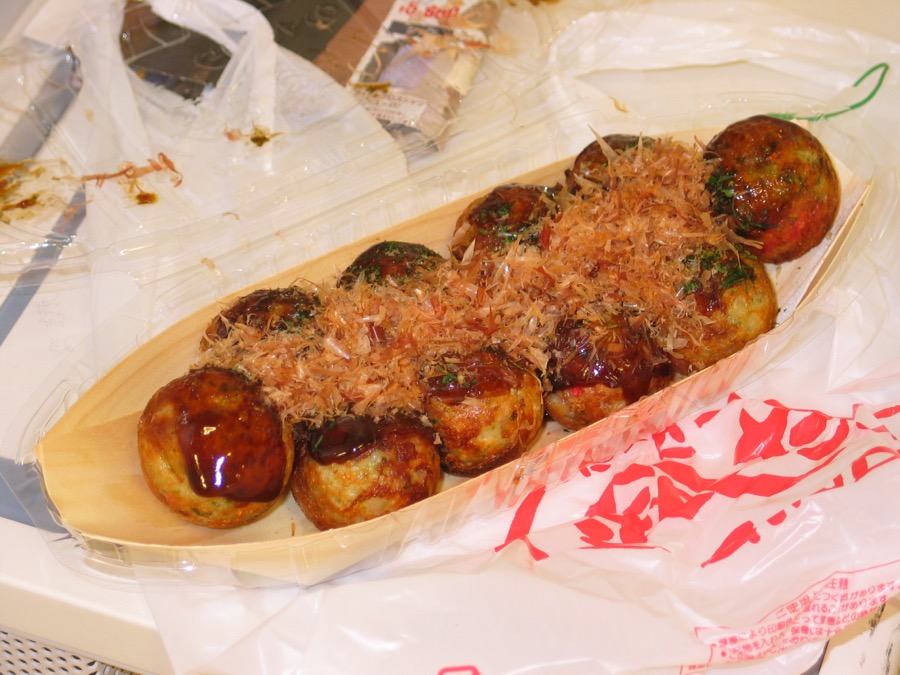
Osaka street food
Takoyaki
たこ焼き — takoyaki
Soft dough balls with octopus (tako) inside, cooked in special moulds and flipped with surgical precision. On top: okonomiyaki sauce, Japanese mayo, katsuobushi (dried tuna flakes that wave in the heat), powdered nori. Hot, soft inside, irresistible. The symbol of Osaka street food.
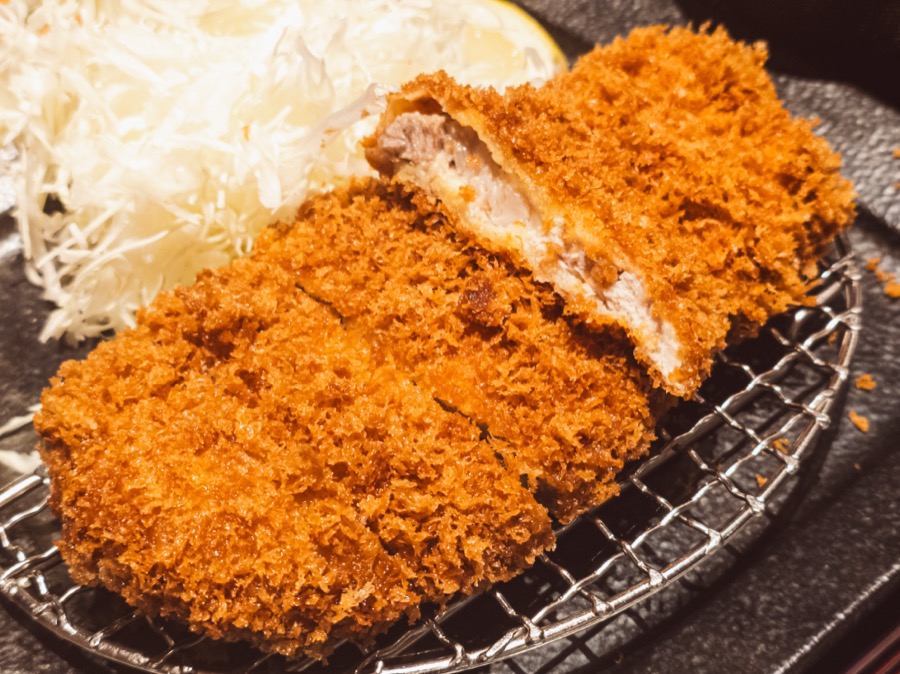
The Japanese cutlet
Tonkatsu
とんかつ — tonkatsu
A pork cutlet breaded in Japanese breadcrumbs (panko) and deep-fried. The crust is golden and super crispy, the meat inside soft and juicy. Served with shredded raw cabbage, rice, miso soup and the thick, sweet-and-sour tonkatsu sauce. One of Japan's most loved comfort foods, found in every region.
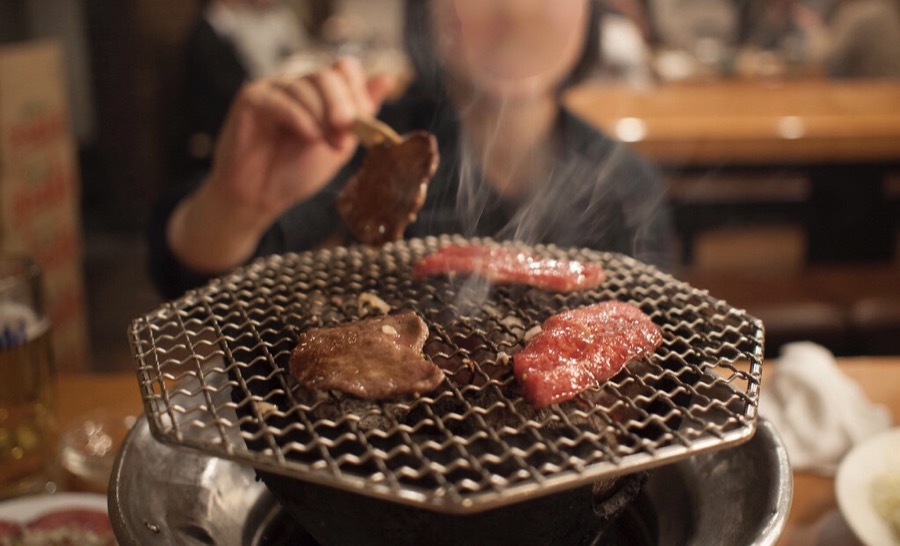
Grilled at the table
Yakiniku
焼肉 — yakiniku
Literally "grilled meat" — bites of high-quality beef cooked on a brazier set into the table. You choose the cut, grill it to your liking, dip it in tare (sauce) and eat. With Kobe or Matsusaka wagyu it becomes an absolute top-level experience. A yakiniku evening with friends: hard to beat.
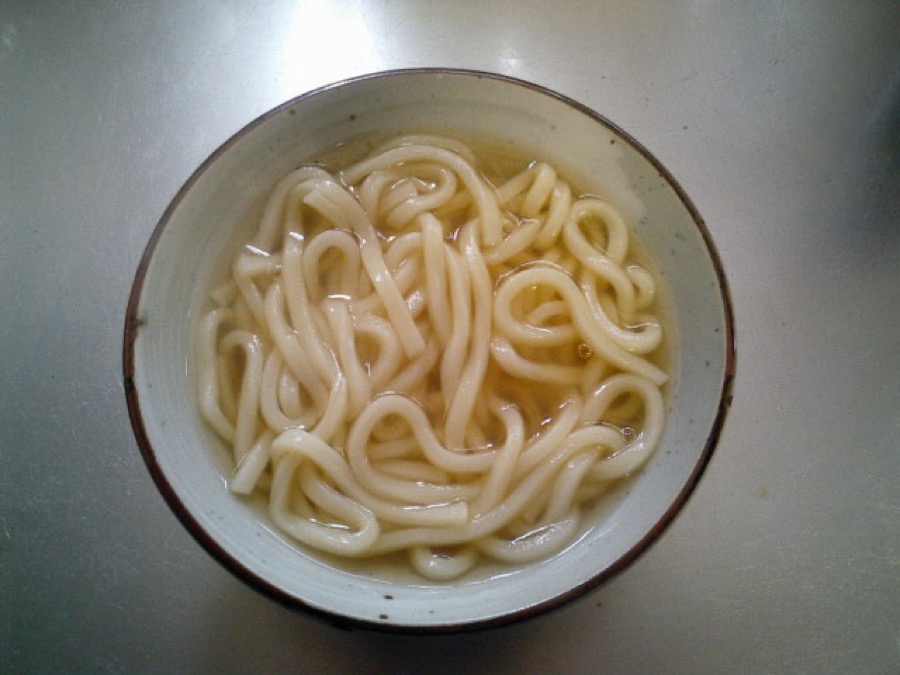
The comfort of simplicity
Udon
うどん — udon
Thick, white wheat noodles with a satisfyingly chewy texture. In hot dashi broth (kake udon), cold with a dipping sauce (zaru udon), pan-fried (yaki udon). Kagawa prefecture (on Shikoku island) is the home of udon — they make it like no one else, and eat it for breakfast. Cheap, filling, perfect.
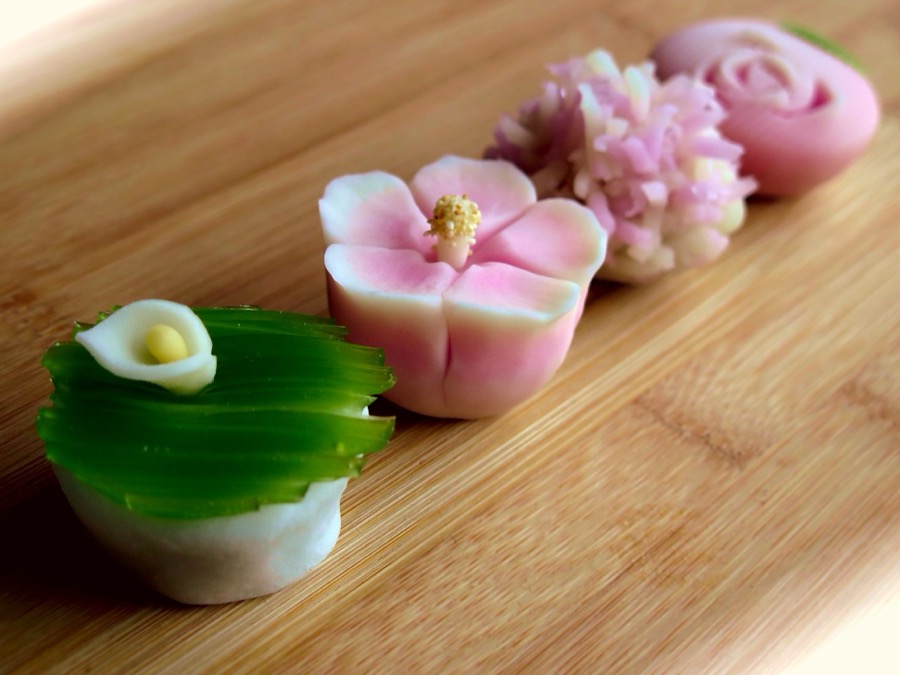
Edible art
Wagashi
和菓子 — wagashi
Traditional Japanese sweets are works of art: shaped by hand to depict flowers, leaves, seasonal scenes. The base is often sweetened azuki bean paste (anko). Mochi (glutinous rice dough) is the best-known form. They're eaten with matcha tea, in a ritual of aesthetics and taste that has existed for centuries. They never tire you because they're never cloying.
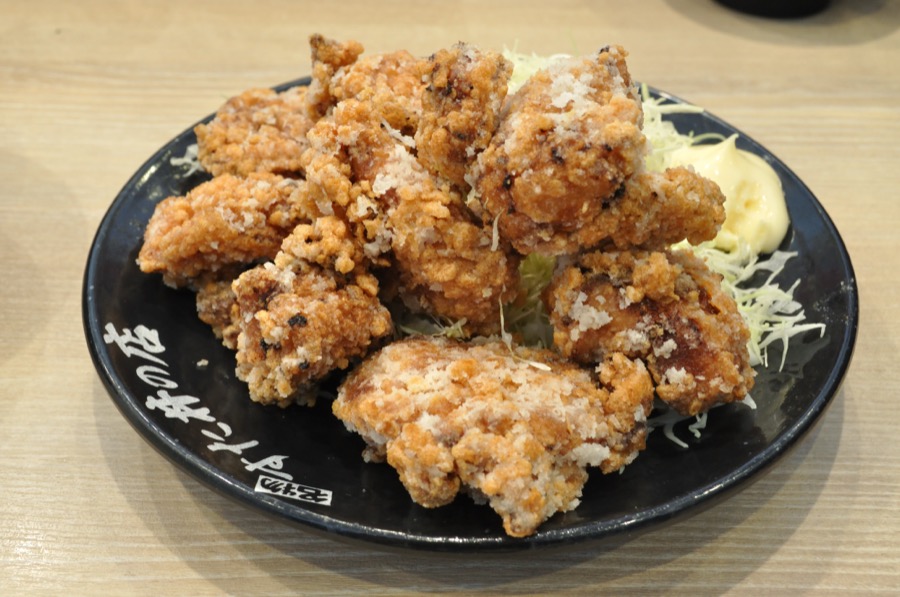
The ultimate fried chicken
Karaage
唐揚げ — karaage
Bites of chicken marinated in soy sauce, ginger and garlic, then fried in light oil. The crust is crispy and savoury, the inside juicy and tender. It seems simple — yet every place has its recipe, its marinade, its balance. It's the comfort food par excellence of izakaya, the Japanese pubs where you drink beer and eat in company.